Clover Design
First Impressions: A Professional Embroidery Designer’s Take
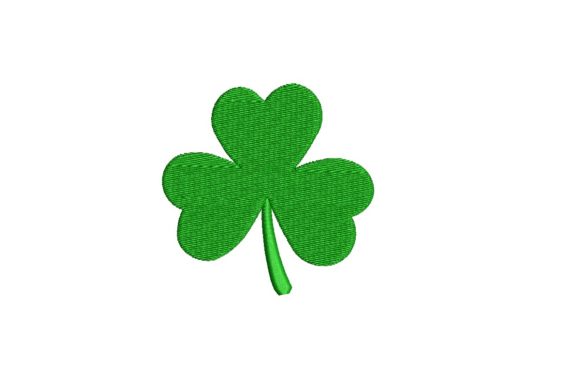
The first thing that catches my eye about Clover Design is its clean, recognizable shape. It feels like a classic symbol with a modern twist—friendly yet professional. The design exudes a sense of craftsmanship and simplicity, making it ideal for small business merch and branded patches. As an embroidery designer, I immediately think of how this could translate into a versatile brand identity asset.
Why Clover Design Works for Small Business Merch
Clover Design is more than just a symbol—it's a statement. Its geometric form and subtle detailing make it adaptable to various applications, from embroidered patches to custom apparel. For small businesses looking to create a cohesive brand presence, Clover Design offers a great foundation for visual consistency across multiple product types.
Whether you're creating custom apparel, apron embroidery, or cap embroidery, the versatility of Clover Design ensures it can fit seamlessly into your branding strategy. It's perfect for boutique merchandise, customer gifts, event merch, and even Etsy branding. The ability to use it in multiple sizes and formats gives it a wide range of commercial embroidery possibilities.
Real-World Applications: Where to Use Clover Design
One of the strongest aspects of Clover Design is its adaptability. Here are some real-world scenarios where it shines:
- Embroidered Patches: Ideal for staff uniforms, aprons, or tote bags. The design holds up well at smaller sizes, making it a great choice for patch applications.
- Staff Uniforms: Whether it's a café, boutique, or florist, Clover Design adds a touch of professionalism without being too flashy.
- Cap Embroidery: The clean lines work well on cap fronts, especially when paired with contrasting thread colors.
- Tote Bag Design: Adds a subtle yet memorable accent to tote bags and other fabric-based products.
- Product Packaging Accents: A small embroidered logo can elevate the perceived value of your handmade products.
- Branded Product Add-Ons: Perfect for custom apparel, labels, and even craft business assets.
Considerations for Commercial Use
While Clover Design has many strengths, there are a few areas where extra care should be taken:
- Small Patch Sizes: Ensure the design works well at smaller scales. Test it in black and white first to see how it translates in monochrome.
- Curved Surfaces: If using on caps or curved items, check if the design maintains clarity and proportion.
- High Stitch Density: Be mindful of stitch density, as it can affect the overall look and durability of the finished product.
- Dark Uniforms: Always test thread color contrast on dark fabrics to ensure visibility and impact.
- Fabric Texture: Some textures may alter the appearance of the design. Consider using stabilizer for better results.
- Repeated Washing: Designs used on frequently washed items like aprons or uniforms should be tested for longevity and wear resistance.
Building Brand Identity with Clover Design
Clover Design can play a crucial role in building brand identity and customer trust. Its simplicity and recognition make it a strong visual anchor for your brand. When used consistently across different product types—whether it's a digital embroidery file for a tote bag or a printable mockup for a client—you reinforce your brand's presence in the market.
By incorporating Clover Design into your custom apparel and small business merch, you also enhance product value and visual consistency. It’s not just a logo—it’s a signature that customers will recognize and associate with your brand.
Practical Tips for Embroidery Designers
If you're an embroidery designer working with Clover Design, here are a few practical tips to keep in mind:
- Test in Black and White: This helps identify any potential issues with contrast or clarity before final production.
- Check Patch Size Compatibility: Ensure the design works well at small scales, especially for patches or cap fronts.
- Review Thread Color Contrast: Choose thread colors that complement the fabric and maintain the design's integrity.
- Inspect Spacing: Proper spacing ensures the design looks balanced and professional on any surface.
- Confirm Hoop Size: Make sure the design fits within the hoop size of your embroidery machine.
- Test on Real Fabric: Always do a test run on actual fabric to see how the design performs in real conditions.
- Use Proper Stabilizer: Especially for detailed designs, using the right stabilizer can make all the difference.
- Create a Mockup: Before sending the design to a client, create a printable mockup for approval.
- Compare with Other Assets: Ensure Clover Design aligns with your other design assets and brand identity.
- Confirm Commercial Licensing: Always verify that you have the proper licensing for commercial use.
Final Thoughts on Clover Design
Clover Design is a versatile and professional machine embroidery design that offers great potential for small business merch and branded patches. Its clean, recognizable shape makes it a strong contender for brand identity and customer engagement. With careful consideration of stitch density, thread color, and fabric texture, it can be successfully applied to a wide range of products, from custom apparel to apron embroidery.
As an embroidery designer, I recommend testing Clover Design thoroughly before full production. By following these practical steps, you can ensure that your finished product meets both aesthetic and functional standards. Whether you're creating digital embroidery files or commercial embroidery, Clover Design has the potential to become a valuable addition to your brand's visual toolkit.